
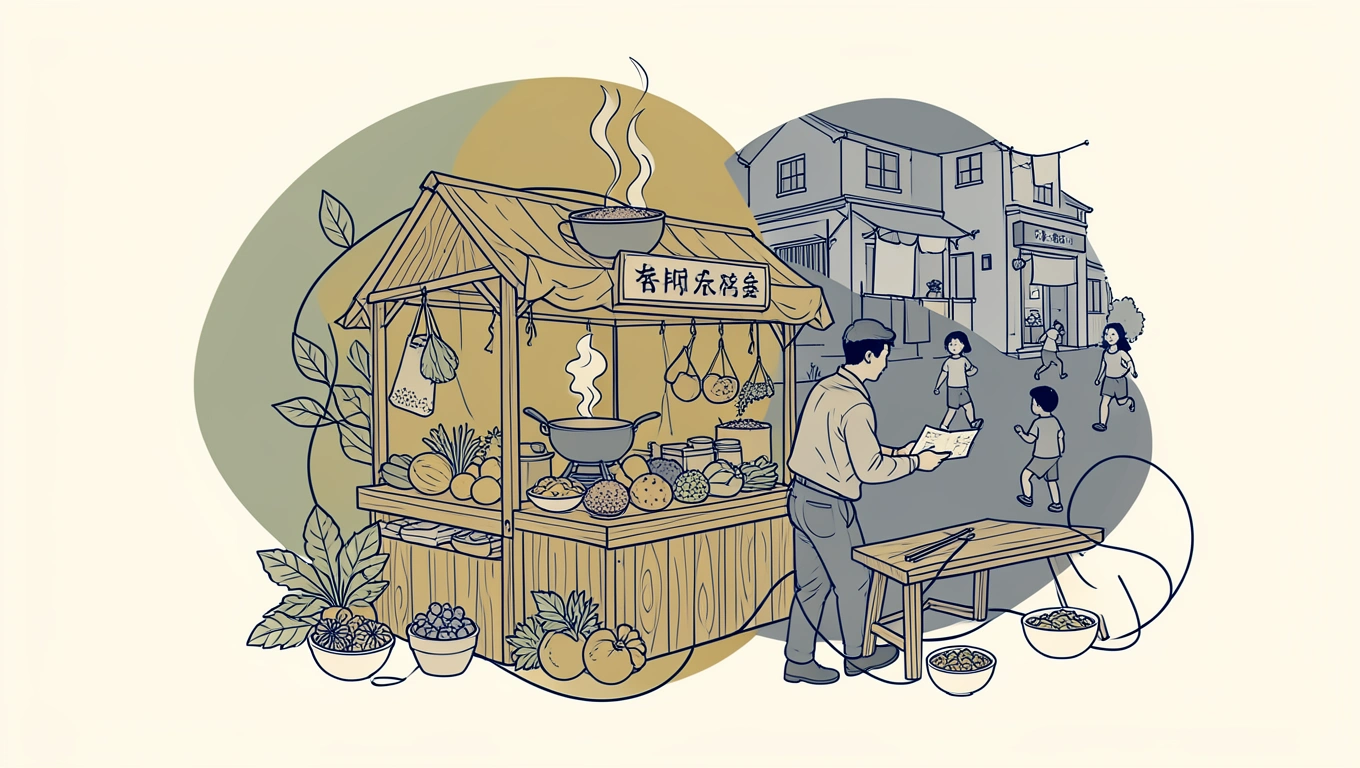
Traveling to a new place is one of the best opportunities to discover flavors and dishes you have never experienced before. But when you are in an unfamiliar city, finding great food can feel like a gamble, especially if you want to avoid the tourist traps that dominate the first page of review sites. The truth is, some of the most memorable meals happen at places that do not have a single online rating. Learning to find good local food without relying on reviews is not just a skill – it is a way to connect more deeply with the culture and rhythm of a place. You will eat better, spend less, and create stories worth sharing long after you return home.
Ask Locals Who Actually Live There
The people who live and work in a city know where the good food is because they eat there regularly. Hotel staff, taxi drivers, shop owners, and bartenders are all excellent sources of recommendations. The key is to ask them where they personally eat, not where they send tourists. A simple question like “Where do you go for lunch on your day off?” often yields gold. You will notice that locals tend to mention the same few spots over and over, which is a strong signal that the food is worth seeking out.
When you ask for recommendations, be specific. Instead of asking for “the best restaurant,” ask about a particular dish or type of meal. If you are in Mexico, ask where to get the best tacos al pastor. If you are in Vietnam, ask about the best bowl of pho. This specificity shows you are serious about the food, and it helps the person give you a more focused answer. You will often get directions to a place that does not even have a sign out front, let alone a website.
Another layer to this strategy is observing who is doing the recommending. A hotel concierge might steer you toward places that pay for referrals, but the housekeeper or the breakfast cook is far more likely to tell you where they actually eat. Strike up casual conversations, and you will start to notice patterns. The same neighborhood, the same street corner, the same little spot keeps coming up. That is where you should go.
Follow the Crowds at Meal Times
One of the simplest and most reliable ways to find good food is to watch where locals gather during peak meal hours. If a place is packed with people at noon or seven in the evening, it is usually because the food is worth the wait. You do not need to understand the language or read the menu – just look for lines, full tables, and a steady stream of takeout orders. These are strong indicators that you have found something special.
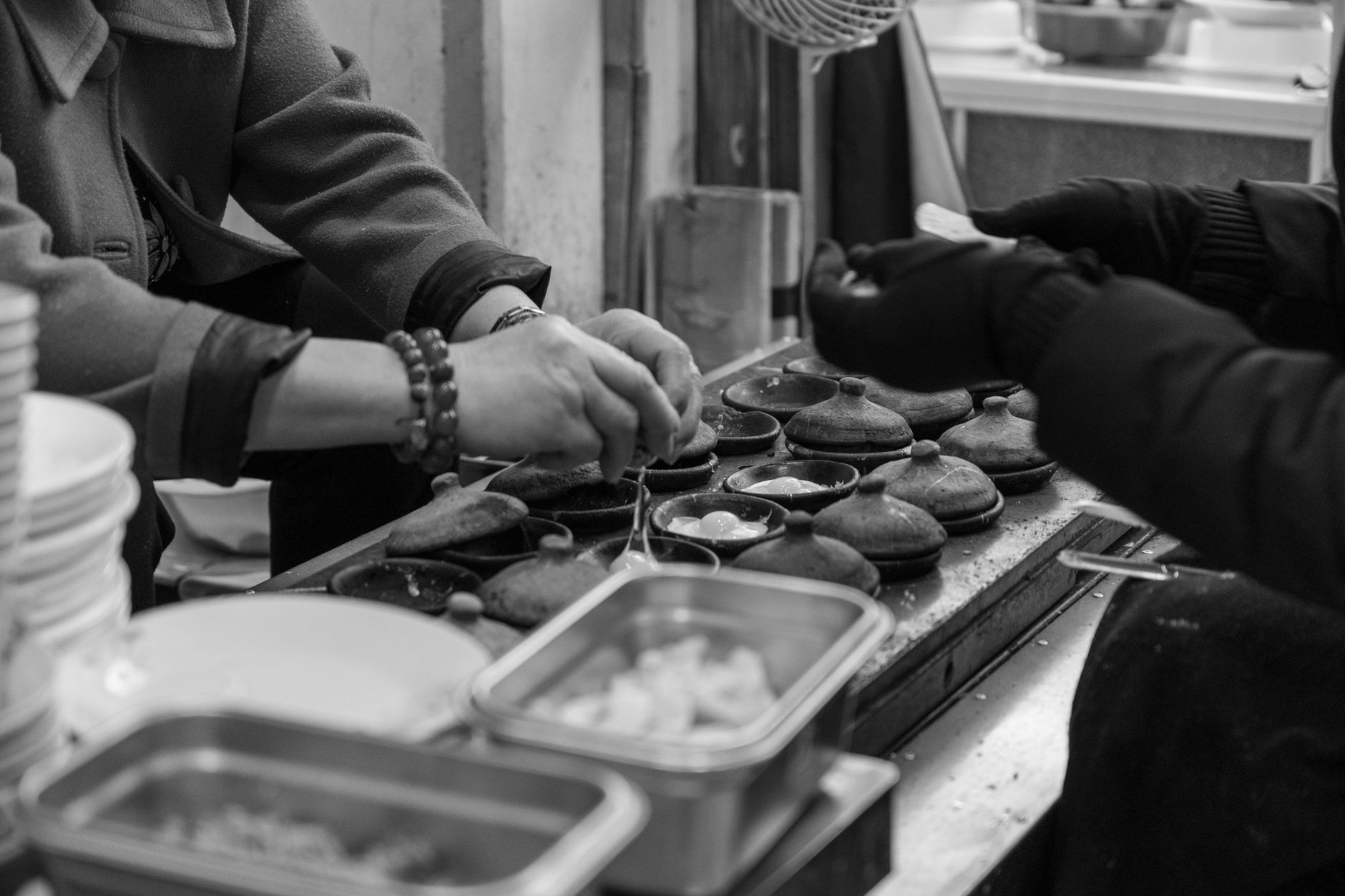
Following the crowd is especially effective in markets and food stall areas, where multiple vendors are competing side by side. The stall with the longest line is usually the one that has earned its reputation through consistent quality. Pay attention to who is eating there – if you see families, older people, and workers on their lunch break, you are in the right place.
Timing matters. Visit during local meal times rather than odd hours, and you will get a much better sense of which places are truly popular. A restaurant that is empty at one in the afternoon might be completely full at eight at night. If you are not sure when locals eat, pay attention to the rhythm of the street. When you start seeing people heading toward certain areas or queuing up, follow them.
Next Level: Look for restaurants with a limited menu – often just a few dishes or even a single specialty. When a place focuses on doing one thing really well, it is usually because they have perfected it over years. A noodle shop that only serves three types of noodles is far more likely to deliver an exceptional bowl than a place trying to do everything.
Explore Residential Neighborhoods Away from Tourist Zones
The restaurants closest to major tourist attractions are rarely the best. They do not need to be – they have a constant stream of customers who will never return. If you walk just a few blocks away from the main tourist streets and into residential areas, you will find a completely different food landscape. These are the places where locals actually live and eat daily, and the restaurants have to earn repeat business by serving good food at fair prices.
Residential neighborhoods reveal themselves through small details. You will see laundry hanging from balconies, small parks where kids play, corner stores selling everyday necessities. The restaurants in these areas often have handwritten menus, mismatched chairs, and no English signage. This is a good sign. Family-run spots in residential areas tend to cook the same way they would at home, with care and authenticity that you will not find in tourist-facing establishments.
Do not be intimidated if you cannot read the menu or speak the language. Pointing works. Smiling works. Looking at what other people are eating and gesturing toward their plate works remarkably well. Most small restaurant owners are genuinely happy to have a curious visitor, and they will go out of their way to make sure you get something delicious. Some of the best meals happen when you simply trust the person cooking and let them choose for you.
Visit Markets and Food Stalls
Markets are where you will find some of the most authentic and affordable food in any city. Whether it is a morning produce market, a night market, or a dedicated food hall, these spaces are designed for locals to eat quickly and well. The food is usually prepared right in front of you, the ingredients are fresh because they are sold in the same market, and the prices reflect what local people can actually afford to pay regularly.
When you walk through a market, take a lap first before committing to anything. Notice which stalls have the most customers, which ones have the most interesting smells, and which vendors seem to take the most pride in their setup. A clean workspace, fresh ingredients visible, and a steady flow of orders are all good signs. You can also watch what locals are ordering and point to the same thing when it is your turn.
Food stalls often specialize in one or two dishes, and they have been making those same dishes the same way for years, sometimes generations. This is where you will find the definitive version of a local specialty – the satay, the dumplings, the grilled fish, the sticky rice dessert that defines the region. The experience of eating at a market is also part of the appeal. You are surrounded by the energy of daily life, sitting on a plastic stool, eating with your hands or chopsticks, fully immersed in the culture around you.
Q&A
Is it safe to eat at street food stalls without reviews?
Yes, as long as you use common sense. Look for stalls with high turnover, where food is cooked fresh to order rather than sitting out for hours. Choose vendors with visible flames or heat sources, and watch how they handle food. If you see locals eating there regularly, it is a strong indicator that the food is safe. Trust your instincts – if something looks or smells off, move on to the next option.
What if I have dietary restrictions or allergies?
Communicating dietary needs is more challenging without reviews to guide you, but it is still possible. Learn a few key phrases in the local language or carry a translation card that explains your restrictions. In markets and small restaurants, you can often see the ingredients being used, which helps you identify what is safe. Stick to simpler dishes where you can identify the components, and do not hesitate to politely decline something if you are unsure.
How do I know if I am paying a fair price?
Watch what locals pay. If you see someone ahead of you in line hand over a certain amount, that gives you a baseline. In markets, prices are often posted or written on a board, even if you cannot read the language. You can also ask your hotel staff what a typical meal should cost in the neighborhood you are visiting. If a vendor quotes you a price that seems wildly different from what you have observed, it is fair to negotiate or walk away.
What if the place looks too casual or rundown?
Some of the best food in the world is served in places that look unimpressive from the outside. A lack of fancy decor does not mean a lack of quality – in fact, it often means the opposite. The money is going into the ingredients and the cooking, not into the furniture or the facade. If the place is full of locals and the kitchen looks active and organized, those are the signs that matter most.
For Conclusion
Finding good food without relying on reviews is one of the most rewarding parts of travel. It pushes you out of the curated, algorithm-driven experience and into the real rhythm of a place. You learn to trust your instincts, talk to strangers, and take small risks that almost always pay off with something delicious. The meals you discover this way are rarely perfect in a polished sense – the service might be slow, the seating might be uncomfortable, the menu might be incomprehensible. But they are real, and they give you a glimpse into how people actually live and eat in the places you visit.
This approach also changes the way you move through a city. Instead of rushing from one top-rated spot to another, you start to notice the small details – the smell of grilled meat drifting from an alley, the sound of chopping in a kitchen, the sight of a grandmother rolling dough in a storefront window. You become more present, more curious, and more open to the unexpected. And that openness is what travel is really about. The food is just the delicious part.