
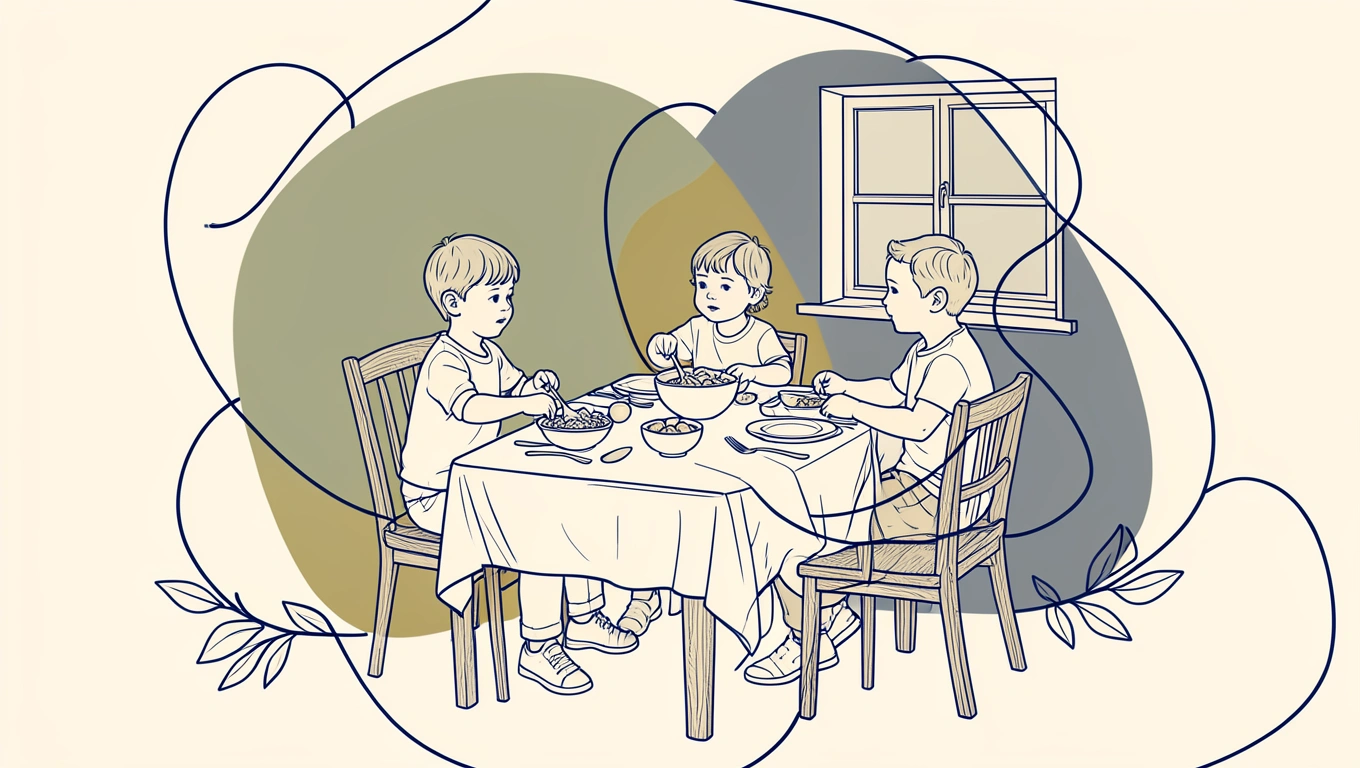
Family mealtimes with young children can feel like controlled chaos – spilled milk, food refusals, constant interruptions, and someone inevitably melting down before dessert even appears. If you’ve ever wondered why dinner feels more stressful than relaxing, you’re not alone. The good news is that calmer mealtimes aren’t about perfection or strict rules. They’re about creating small, consistent routines that help everyone feel more settled. With a few thoughtful adjustments to your approach, timing, and environment, you can transform mealtimes from a daily battle into a more peaceful part of your family’s day.
Set a Predictable Mealtime Routine
Young children thrive on knowing what comes next. When mealtimes happen around the same time each day, kids arrive at the table with the right expectations already in place. A predictable schedule helps their bodies prepare for eating, reduces resistance, and gives the whole family a rhythm to follow.
Start by choosing realistic times that work for your household – not what you think should work, but what actually fits your schedule. If dinner at 5:30 means everyone’s rushing and stressed, pushing it to 6:00 might be worth the shift. Consistency matters more than the exact hour on the clock.
Build in a simple pre-meal routine that signals food is coming. This might be washing hands together, setting the table, or turning off the TV five minutes before you sit down. These small rituals help kids transition from playtime to mealtime without feeling jolted. According to research on mealtime routines from the CDC, establishing consistent patterns around eating can support healthier behaviors and reduce conflict.
You don’t need a complicated system. Even announcing “ten minutes until dinner” gives young children the mental space to wrap up what they’re doing. When kids know what to expect, they show up to the table calmer and more ready to participate.
Involve Kids in Simple Food Preparation
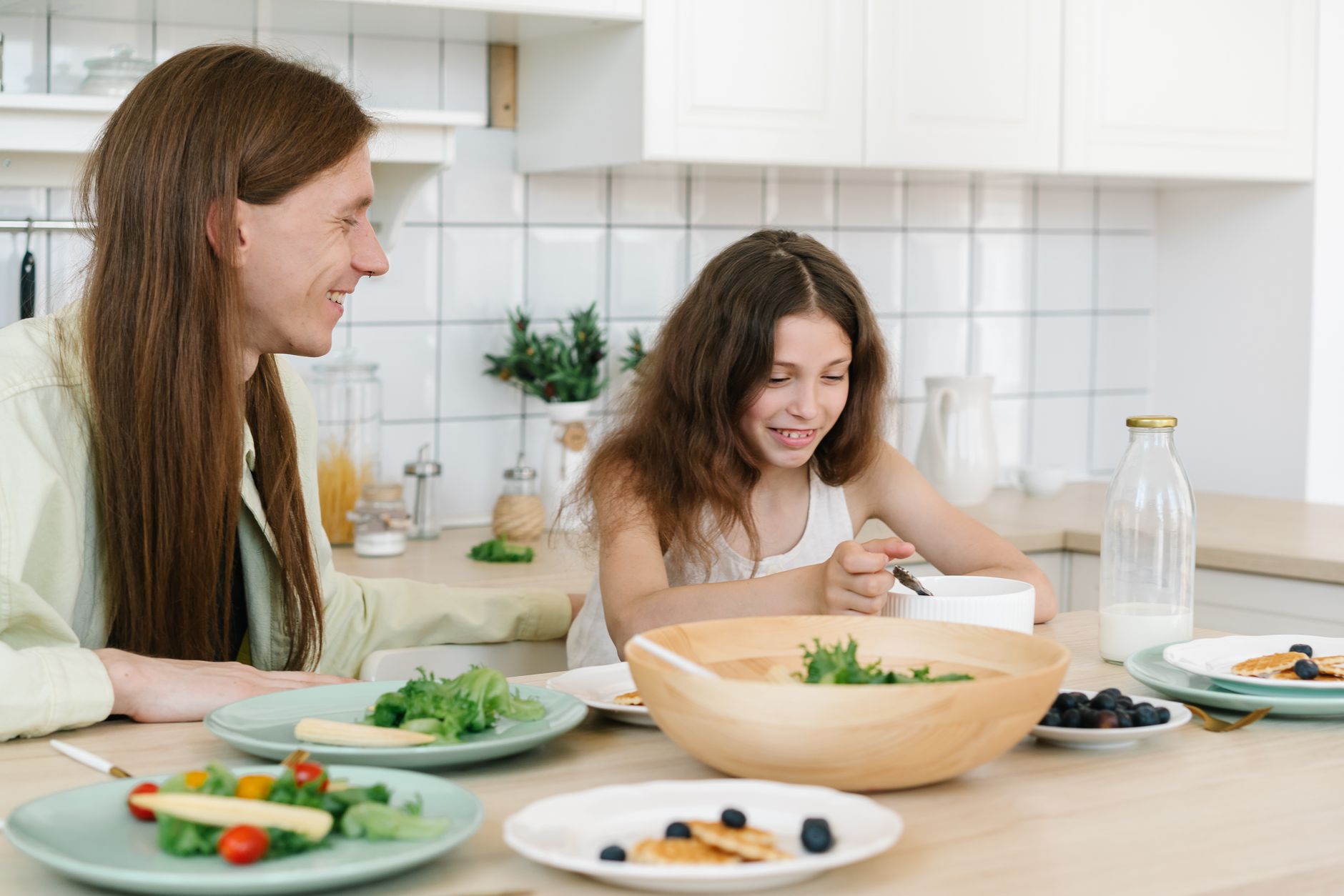
Handing a three-year-old a task in the kitchen might sound like it would add to the chaos, but the opposite is often true. When children help prepare the meal, they arrive at the table with more investment in the experience and often more willingness to eat what’s in front of them.
Keep the tasks age-appropriate and genuinely helpful. A toddler can wash vegetables, tear lettuce, stir ingredients in a bowl, or help set napkins on the table. Preschoolers can pour pre-measured ingredients, spread butter on bread, or arrange fruit on a plate. The goal isn’t culinary perfection – it’s engagement and ownership.
This involvement shifts their role from passive recipient to active contributor. Instead of showing up to a plate of food they didn’t ask for, they’ve touched the ingredients and watched the meal come together. That simple connection often reduces pickiness and power struggles before you even sit down.
You’ll also find that the time spent working together in the kitchen creates natural conversation and connection, which carries over to the table. The meal becomes an extension of the activity you were already doing together, not an abrupt shift that triggers resistance.
Next Level: Try serving meals family-style, placing bowls on the table and letting each person serve themselves. This gives young children a sense of control and reduces pressure, often leading to more adventurous eating and fewer battles over portion sizes.
Create a Distraction-Free Zone
Screens, toys, and background noise pull attention away from food and each other, making mealtimes feel scattered and unfocused. When kids are distracted, they eat slower, listen less, and have a harder time recognizing their own hunger and fullness cues. Creating a calmer environment starts with clearing away the competition for their attention.
Turn off the TV, put phones on silent, and move toys out of reach. It might feel awkward at first if your family is used to background entertainment, but the shift is worth it. Without screens demanding their focus, children actually engage with the food and the people around them. Experts at UCSF Benioff Children’s Hospitals note that mealtime atmosphere directly influences eating behavior, and minimizing distractions supports healthier, more mindful eating.
If silence feels too intense or your kids struggle with the transition, try low-volume background music instead of the TV. Instrumental or calm music fills the space without pulling attention away from the meal. You can also introduce simple conversation starters – ask about the best part of their day, talk about what you’re eating, or share something funny that happened to you.
The goal is to make the table a designated space where eating and being together is the main event. When children know that mealtime means sitting, eating, and talking, they settle into that expectation. The boundaries you set create the calm.
Use Positive Reinforcement Over Pressure
How you respond to your child’s behavior at the table shapes how they feel about mealtimes. Constant correction, bargaining, or punishing picky eating can turn meals into a power struggle that leaves everyone exhausted. Positive reinforcement – noticing and praising the behavior you want to see more of – works better and keeps the atmosphere lighter.
Instead of focusing on what your child isn’t doing (not eating vegetables, not sitting still), catch them doing something right. “I love how you tried a bite of that” or “Thank you for using your napkin” reinforces good habits without making the meal feel like a test they need to pass.
Avoid forcing kids to clean their plates or bribing them with dessert. Pressure around food often backfires, creating negative associations with mealtimes and certain foods. Trust that children are generally good at regulating their own hunger when given the chance. Your job is to offer nutritious options at regular times – their job is to decide how much to eat.
When messes happen, and they will, respond calmly. Spilled milk isn’t a moral failing – it’s just something to clean up. Keeping your own reactions steady teaches kids that mistakes are normal and mealtimes don’t have to be perfect. That emotional tone you set matters more than whether every pea gets eaten.
Q&A
How do I handle constant interruptions and kids getting up from the table?
Set a clear expectation before the meal starts: “We sit at the table until everyone’s finished eating.” Offer a realistic time frame that matches their age – young toddlers might only manage ten minutes, while preschoolers can often handle twenty. If a child needs to leave for the bathroom, let them, but otherwise gently guide them back to their seat. Consistency helps them learn the boundary, and over time, the getting-up reduces as the routine becomes familiar.
What if my child refuses to eat what I’ve made?
Avoid turning it into a battle. Offer the meal without pressure, and include at least one item on the table you know they’ll accept, even if it’s just bread or fruit. If they choose not to eat, don’t make a big deal of it or offer to cook something else. Let them know the kitchen will be closed until the next scheduled snack or meal. Most children will eat when they’re truly hungry, and removing the power struggle often reduces refusals over time.
How can I keep mealtimes calm when I’m stressed and short on time?
Simplify your expectations. Calm mealtimes don’t require elaborate home-cooked meals or magazine-worthy table settings. Sometimes dinner is rotisserie chicken, bagged salad, and rice – and that’s perfectly fine. Prep what you can ahead of time, accept that some nights will be messier than others, and remind yourself that showing up and eating together matters more than perfection. Your kids take cues from your energy, so giving yourself permission to keep it simple helps everyone relax.
Should I make my kids sit at the table even if they say they’re not hungry?
Yes, but reframe the expectation. The goal isn’t forcing them to eat – it’s teaching them that mealtime is family time. They don’t have to finish their plate or even take a bite, but they should join the table and participate in the social part of the meal. This keeps the routine intact and prevents the pattern of kids snacking constantly and then skipping family meals because they’re never hungry. Sitting together, even without eating, still builds connection and routine.
Final Thoughts
Calmer family mealtimes with young children aren’t about achieving perfection or eliminating every bit of chaos. They’re about creating an environment where everyone feels more settled, connected, and less stressed. Predictable routines, meaningful involvement, fewer distractions, and a positive tone can shift mealtimes from a daily struggle to a part of the day that actually brings your family together.
The changes don’t have to happen all at once. Pick one or two strategies that feel doable for your household and build from there. Some nights will still be messy, loud, and far from Instagram-worthy – and that’s completely normal. What matters is the overall pattern you’re creating, not any single meal.
As your children grow, these habits lay the groundwork for healthier relationships with food and with each other. The time you invest now in making mealtimes calmer pays off in ways that extend far beyond the dinner table. Give yourself grace, stay consistent, and remember that progress, not perfection, is the goal.