
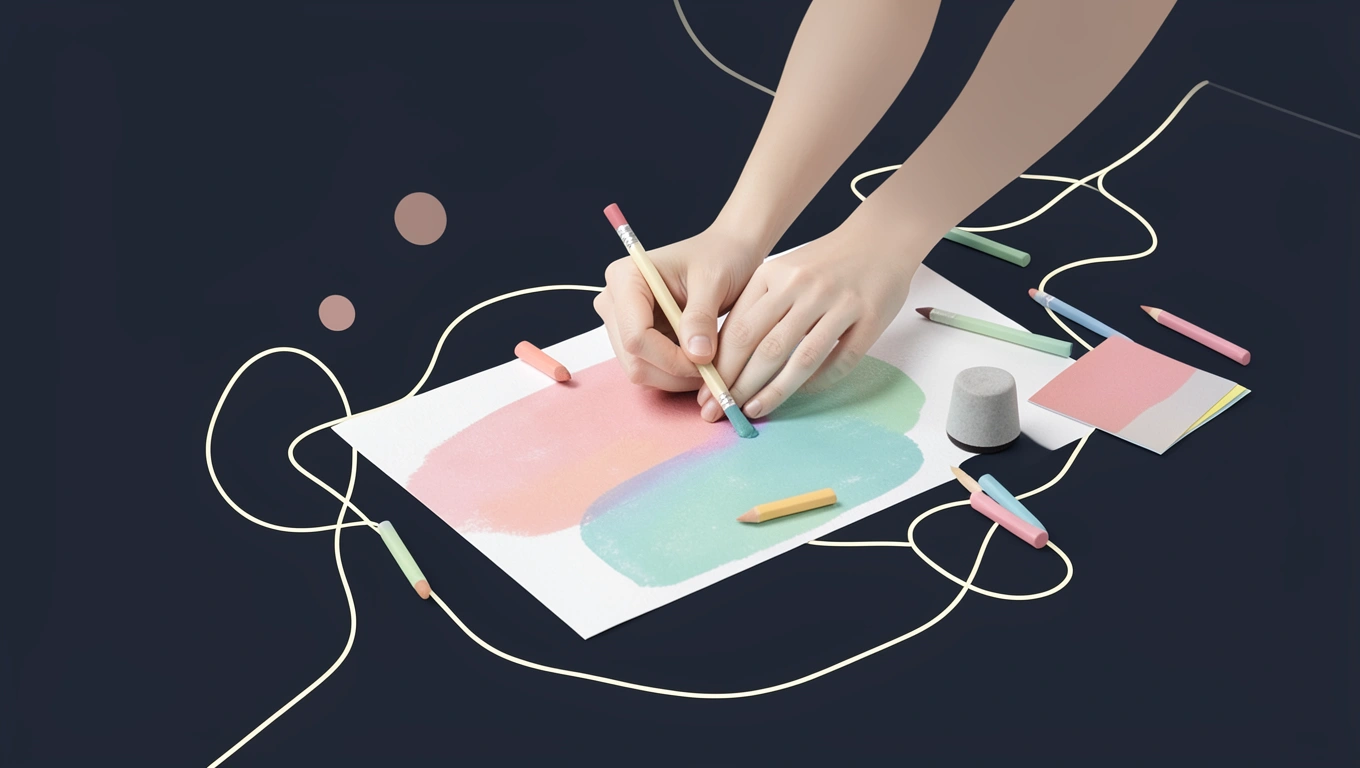
Picking up a creative hobby as an adult can feel intimidating, especially if you’ve never considered yourself artistic. But pastels offer something different – a medium that welcomes beginners with open arms and rewards experimentation over perfection. The soft, blendable nature of pastels means you can create beautiful work without the pressure of precise technique or extensive training. Whether you’re looking for a calming weekend activity or a way to unwind after long days, pastels provide an accessible entry point into the world of art that feels more like play than work.
Why Pastels Are Perfect for Complete Beginners
Pastels stand out among art supplies because they remove many of the barriers that make other mediums feel complex. You don’t need brushes, water containers, palettes, or solvents – just the pastels themselves and paper. This simplicity means less setup time and virtually no cleanup, letting you focus entirely on the creative process rather than logistics.
The direct contact between your fingers and the medium creates an immediate, tactile connection to your work. When you drag a pastel stick across paper, you see instant results. The vibrant pigments transfer smoothly, and colors layer beautifully without requiring any special technique. Pastels have been used by artists for centuries, valued for their pure pigment and ability to produce both delicate and bold effects.
The forgiving nature of pastels means mistakes become opportunities rather than disasters. Colors blend easily with your fingertips or blending tools, allowing you to soften hard lines or create gradients. If something doesn’t look right, you can layer more color over it or gently lift pigment away. This flexibility takes the pressure off getting things perfect on the first try, which is exactly what beginners need to build confidence.
The Relaxation Factor Nobody Talks About
Beyond the practical advantages, working with pastels offers genuine therapeutic benefits. The physical act of moving color across paper with your hands engages you in a way that feels naturally meditative. Your breathing slows, your focus narrows, and the worries of the day fade into the background as you watch colors merge and shapes emerge.
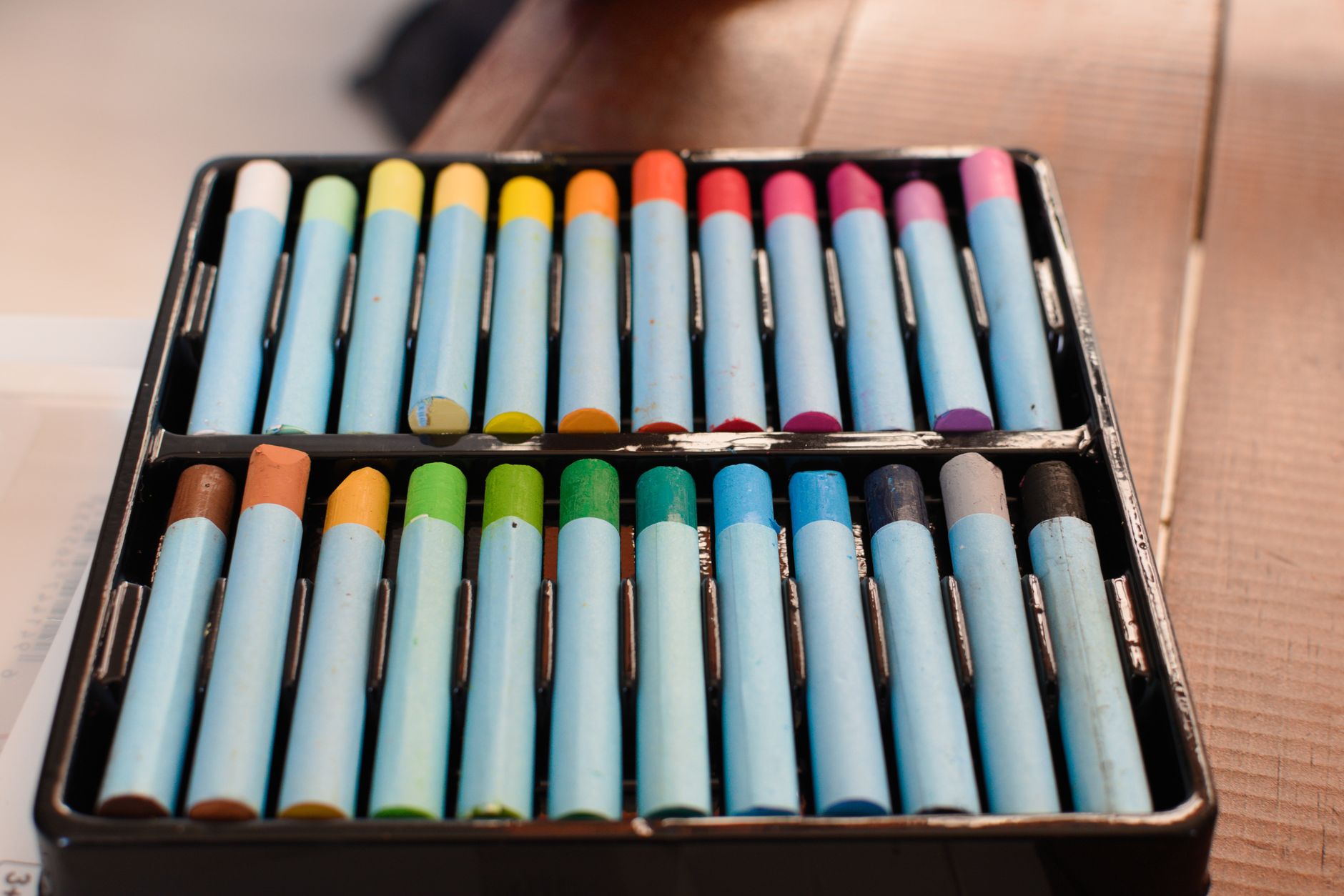
Research examining emotional responses to different art materials has explored how the tactile quality of creative work influences our mental state. The soft texture of pastels moving against paper provides sensory feedback that many people find soothing. Unlike the pressure required for pencil drawing or the wet unpredictability of watercolors, pastels respond gently to light touch yet deliver satisfying results.
You don’t need to create masterpieces to experience these benefits. Simply experimenting with color combinations, creating abstract gradients, or copying simple shapes from photographs can provide the same calming effect. The process matters more than the product, and pastels excel at making the process enjoyable from day one.
Next Level: Start with just three colors – a warm tone, a cool tone, and white – to learn blending without feeling overwhelmed. You’ll discover how much variety you can create with minimal supplies, and this constraint actually boosts creativity rather than limiting it.
Getting Started Without Overthinking It
The beauty of trying pastels lies in how little you need to begin. A basic set of soft pastels and a pad of textured paper will get you creating within minutes. Art supply stores offer beginner sets at reasonable prices, and you don’t need professional-grade materials to have a satisfying experience. The texture of the paper matters more than you might expect – look for paper labeled for pastels or charcoal, as the slight tooth helps the pigment adhere.
Your first attempts should focus on enjoyment rather than realism. Try creating simple color studies by filling small squares with different hues and blending them. Experiment with pressure – light touches create soft, transparent layers while firm strokes deliver rich, opaque color. Practice making gradients by starting with one color and gradually transitioning to another. These exercises feel more like play than practice, yet they build fundamental skills naturally.
Many beginners feel paralyzed by blank paper, worried about wasting materials or creating something ugly. The solution is to lower the stakes completely. Buy inexpensive paper specifically for experimentation. Tell yourself these first pages aren’t meant to be kept or shown to anyone – they’re just for learning how the pastels behave. This mindset shift removes the performance anxiety that blocks creativity.
Building Confidence Through Simple Projects
Once you’ve spent some time experimenting freely, trying simple projects gives you a sense of direction without demanding perfection. Abstract compositions work beautifully with pastels because there’s no right or wrong way to approach them. You might create a sunset gradient, a series of overlapping circles in complementary colors, or a textured background using the side of the pastel stick.
Still life subjects offer another gentle entry point. A single piece of fruit, a coffee mug, or a houseplant provides enough visual interest to work from without overwhelming you with details. You’re not trying to create photorealistic renderings – you’re exploring how to suggest form with color and light. Even loose, impressionistic interpretations feel rewarding when you step back and see you’ve captured the essence of what you observed.
Copying from photographs removes another layer of difficulty since the three-dimensional world is already flattened into a two-dimensional image. Choose photos with simple compositions and strong light and shadow. Work from these references without worrying about exact accuracy. The goal is building your visual library and discovering what pastels can do, not reproducing camera-perfect images.
Q&A
Do I need any drawing skills before starting with pastels?
No drawing experience is required to enjoy working with pastels. While some basic understanding of shapes helps, you can begin with abstract color work that requires no representational drawing at all. Many people start by simply exploring how colors blend and layer, which builds familiarity with the medium before attempting to draw recognizable objects. The skills develop naturally through practice, and pastels are forgiving enough that early attempts still look appealing even if proportions or details aren’t perfect.
What’s the difference between soft pastels and oil pastels?
Soft pastels contain pure pigment bound with minimal binder, creating a powdery, easily-blended texture that’s ideal for smooth color transitions and atmospheric effects. Oil pastels use an oil-based binder, making them creamier, more stable, and less prone to smudging. For complete beginners seeking relaxation, soft pastels often feel more intuitive because they blend effortlessly with fingers and create that signature dreamy quality. Oil pastels work better for bold, graphic marks and don’t require fixative, but they’re harder to blend smoothly.
How messy are pastels really?
Soft pastels do create dust, and your fingers will get colorful, but the mess is manageable with simple precautions. Working on a large piece of scrap paper or towel catches loose pigment, and keeping wet wipes nearby makes cleanup quick. Some people wear old shirts or aprons, though many find the dust transfers more onto hands than clothing. The mess is part of the tactile appeal for many users – it feels hands-on and authentic. Unlike paint or ink, pastel dust brushes off easily and doesn’t stain most surfaces permanently.
Can I use regular paper or do I need special supplies?
Pastels need paper with some texture, called tooth, to grab and hold the pigment. Regular printer paper is too smooth and won’t work well – the pastel will slide around without adhering properly. Pastel paper, watercolor paper, or even fine-grit sandpaper designed for pastels all provide the necessary texture. These papers cost more than regular paper but transform the experience completely. The investment is worthwhile because proper paper makes the pastels perform as they should, giving you much more satisfying results from the start.
For Conclusion
Starting a creative practice as an adult takes courage, but pastels reward that leap with immediate gratification and genuine relaxation. The medium removes technical barriers while offering rich creative possibilities, making it ideal for anyone who’s always wanted to try art but never felt confident enough. You’ll find that the simple act of moving color across paper quiets mental chatter and provides a welcome break from screens and deadlines.
The skills you develop matter less than the regular practice of making time for something purely enjoyable. Some people discover a lifelong passion and eventually move toward more ambitious projects. Others simply enjoy thirty minutes of weekly color play that serves as reliable stress relief. Both approaches are equally valid. Pastels don’t demand commitment or progression – they simply offer an invitation to play with color whenever you need a mental reset. That accessibility, combined with the tangible pleasure of creating something beautiful with your own hands, makes trying pastels one of the most rewarding choices you can make for your well-being.