
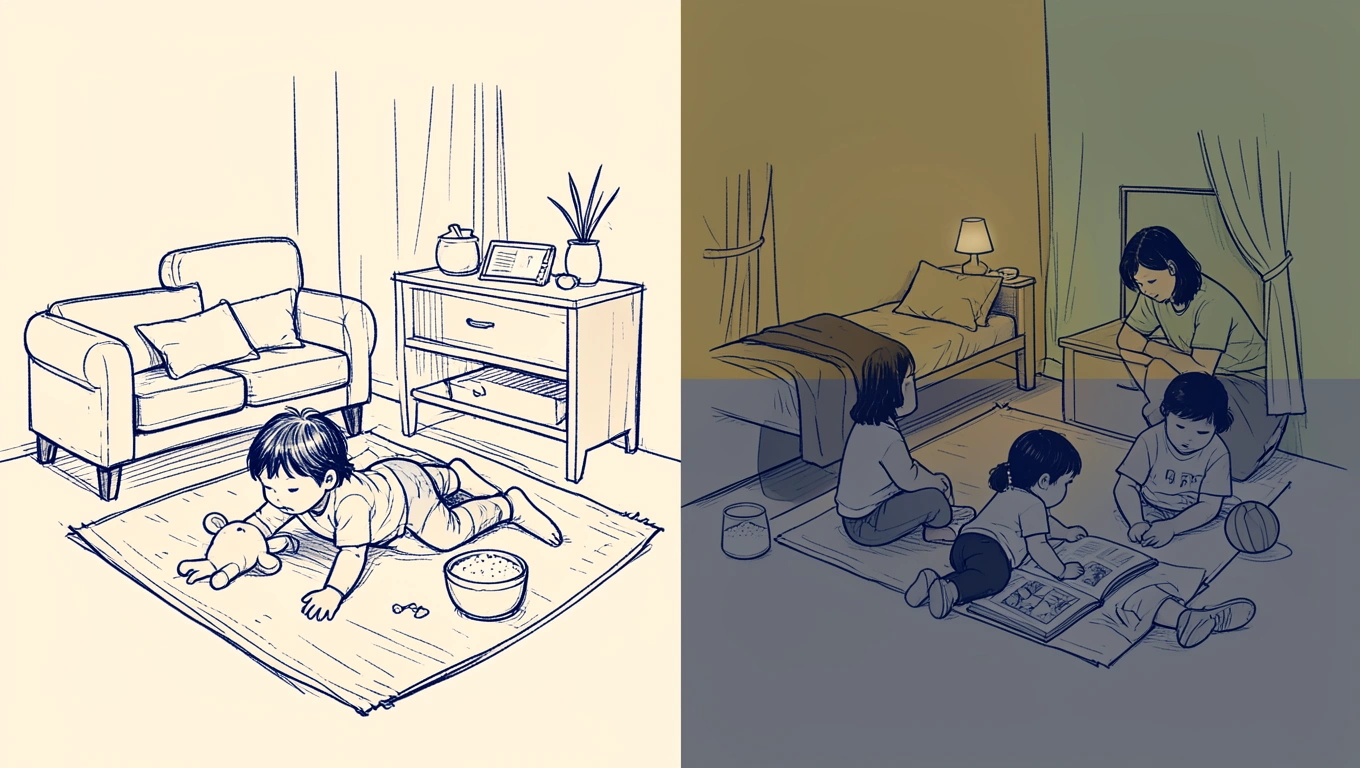
After a long day of school, playtime, and activities, children often arrive home buzzing with energy and emotion. Their minds are still racing, their bodies are wound up, and the transition to a peaceful evening can feel impossible. That’s where calm-down activities come in. These simple, intentional practices help children process their experiences, release tension, and prepare for a restful night. When you build a consistent routine of calming activities into your evening, you give your child the tools to self-regulate, wind down, and reconnect with the family in a way that feels safe and comforting.
Why Children Need Help Settling Down
Children’s brains work differently than ours. After a busy day filled with learning, social interaction, and physical activity, their nervous systems are often still in high gear. They need time and support to shift from active mode to calm mode, but they don’t always know how to do this on their own.
Their minds benefit from quiet time to process the day’s events and experiences. Without this space, children can become overwhelmed, leading to meltdowns, difficulty sleeping, or behavioral challenges. When you help your child create a buffer between the chaos of the day and the quiet of bedtime, you’re not just managing behavior – you’re teaching them a life skill.
Engaging in calm-down activities helps children prevent sensory overload, which is beneficial for their well-being. Kids take in an enormous amount of information every day, and their senses can become overstimulated. A structured wind-down period gives them permission to slow down, release what they don’t need, and settle into a more peaceful state.
Simple Activities That Actually Work
The best calm-down activities are the ones your child will actually do. You don’t need fancy equipment or elaborate plans. What matters most is consistency, simplicity, and matching the activity to your child’s unique needs.
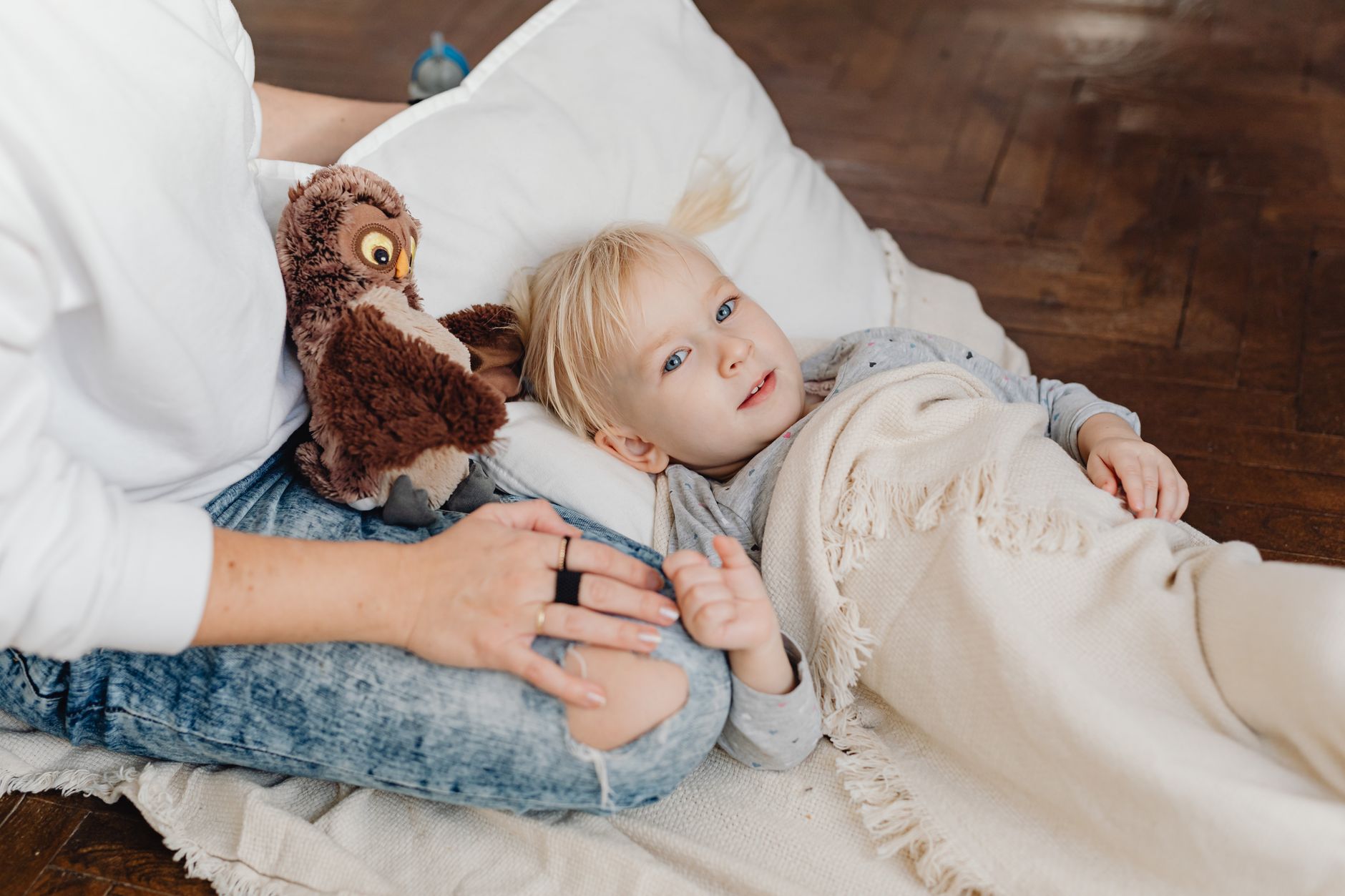
Deep breathing exercises are incredibly effective, even for young children. Try teaching your child to breathe in slowly through the nose for a count of four, hold for two, and breathe out through the mouth for a count of six. You can make it more engaging by pretending to smell a flower and blow out a candle, or by placing a small stuffed animal on their belly and watching it rise and fall.
Sensory play offers another powerful outlet. For children who need to move, sensory play such as with dry beans, water, or mud can help channel energy in a hands-on way. A simple bin of rice with measuring cups, a warm bath with gentle splashing, or even squeezing playdough can provide the tactile input that helps their bodies calm down.
Reading together is a classic for good reason. Choose books with soothing rhythms and gentle stories. The physical closeness, combined with the predictable pattern of storytime, signals to your child’s brain that it’s time to relax. Let your child pick the book when possible – ownership of the routine increases their buy-in.
Gentle stretching or yoga poses designed for kids can release physical tension while keeping the energy mellow. Simple poses like child’s pose, cat-cow, or lying down with legs up the wall are accessible and calming. You can find age-appropriate sequences online, including mindfulness activities designed specifically for children.
Next Level: Create a calm-down corner in your home – a dedicated spot with soft pillows, a dim lamp, and a few sensory tools like stress balls or a small sand timer. When your child knows exactly where to go and what to do, the routine becomes automatic, making the transition from chaos to calm much smoother.
Building Mindfulness Into Daily Routines
Mindfulness doesn’t have to mean sitting in silence with crossed legs. For children, mindfulness is simply about being present in the moment, noticing their feelings, and learning to observe without reacting.
Activities that promote mindfulness can help children improve their focus and emotional regulation, which are skills that contribute to academic success. But beyond school performance, these practices help kids feel more grounded and in control of their own emotions.
A simple mindfulness activity is the five senses check-in. Ask your child to name five things they can see, four things they can touch, three things they can hear, two things they can smell, and one thing they can taste. This exercise pulls them out of their racing thoughts and anchors them in the present moment.
Coloring or drawing offers a quiet, focused activity that naturally encourages mindfulness. The repetitive motion and visual concentration help settle the mind. Provide simple coloring pages or blank paper and let your child draw whatever comes to mind without judgment or correction.
Listening to calm music or nature sounds creates an auditory environment that supports relaxation. You might play soft instrumental music, recordings of rain or ocean waves, or gentle lullabies. Let your child help choose the sounds – when they feel involved in the process, they’re more likely to engage fully.
Adjusting Activities to Your Child’s Age and Temperament
What works for a preschooler won’t necessarily work for a school-age child, and what calms one child might energize another. Pay attention to your child’s responses and be willing to adjust.
For younger children, activities with clear beginnings and ends work best. A simple routine like washing hands, putting on pajamas, reading one book, and singing a song gives them structure they can understand and anticipate. Keep instructions simple and the timeline short – their attention spans are still developing.
Older children often benefit from having some autonomy in the process. Offer choices within boundaries: “Would you like to read or draw tonight?” or “Should we do breathing exercises or stretching first?” This sense of control helps them invest in the calm-down time rather than resist it.
For children who are naturally high-energy, you might need to include a brief period of intentional movement before settling activities. A few minutes of jumping jacks, dancing to one song, or running in place can help them burn off that last bit of energy so they’re ready to truly relax.
Children who are more sensitive or introverted may need extra quiet time alone. Respect their need for solitude by creating space where they can decompress without having to talk or interact. Sometimes the best calm-down activity is simply being in their room with books, soft toys, or quiet music.
Q&A
How long should calm-down time last each evening?
There’s no magic number, but most children benefit from at least twenty to thirty minutes of intentional calming activities before bedtime. This gives their nervous systems enough time to shift gears. Start small if your child resists – even ten minutes is better than jumping straight from high activity to bed. You can gradually extend the time as the routine becomes familiar and comfortable.
What if my child refuses to participate in calm-down activities?
Resistance is normal, especially when you’re introducing something new. Start by modeling the behavior yourself – do your own deep breathing or stretching in their presence without demanding they join. Make it inviting rather than mandatory. You can also involve them in choosing the activities or setting up the calm-down space. When children feel ownership, they’re more likely to participate willingly.
Can screen time be part of a calm-down routine?
Screens are generally not ideal for calming down because the blue light and stimulating content can interfere with the body’s natural preparation for sleep. If your family does include some screen time in the evening, try to end it at least an hour before bed and follow it with other calming activities. If you do use screens, choose content that’s genuinely calm – gentle nature videos or slow-paced shows rather than action or fast-moving cartoons.
How do I know if the activities are actually working?
Look for signs like easier bedtimes, fewer meltdowns in the evening, better sleep quality, and your child’s ability to calm themselves when upset. Changes won’t happen overnight – give any new routine at least two weeks before deciding whether it’s effective. Keep a simple journal noting your child’s mood and sleep patterns to track progress over time. Trust your observations and be willing to adjust based on what you see.
Conclusion
Helping your child settle after a busy day isn’t about forcing stillness or demanding instant calm. It’s about creating a predictable, safe space where their bodies and minds can naturally transition from the energy of the day to the rest they need. The activities that work best are the ones that fit your family’s rhythm, respect your child’s temperament, and happen consistently.
You’re not looking for perfection. Some nights will flow smoothly, and others will be messy. That’s normal. What matters is the pattern you’re building over time – a pattern that teaches your child they have tools to manage their own emotions and energy. These skills will serve them far beyond childhood, giving them a foundation for self-regulation that lasts a lifetime. Start simple, stay consistent, and trust that you’re giving your child something truly valuable: the ability to find peace even after the busiest days.