
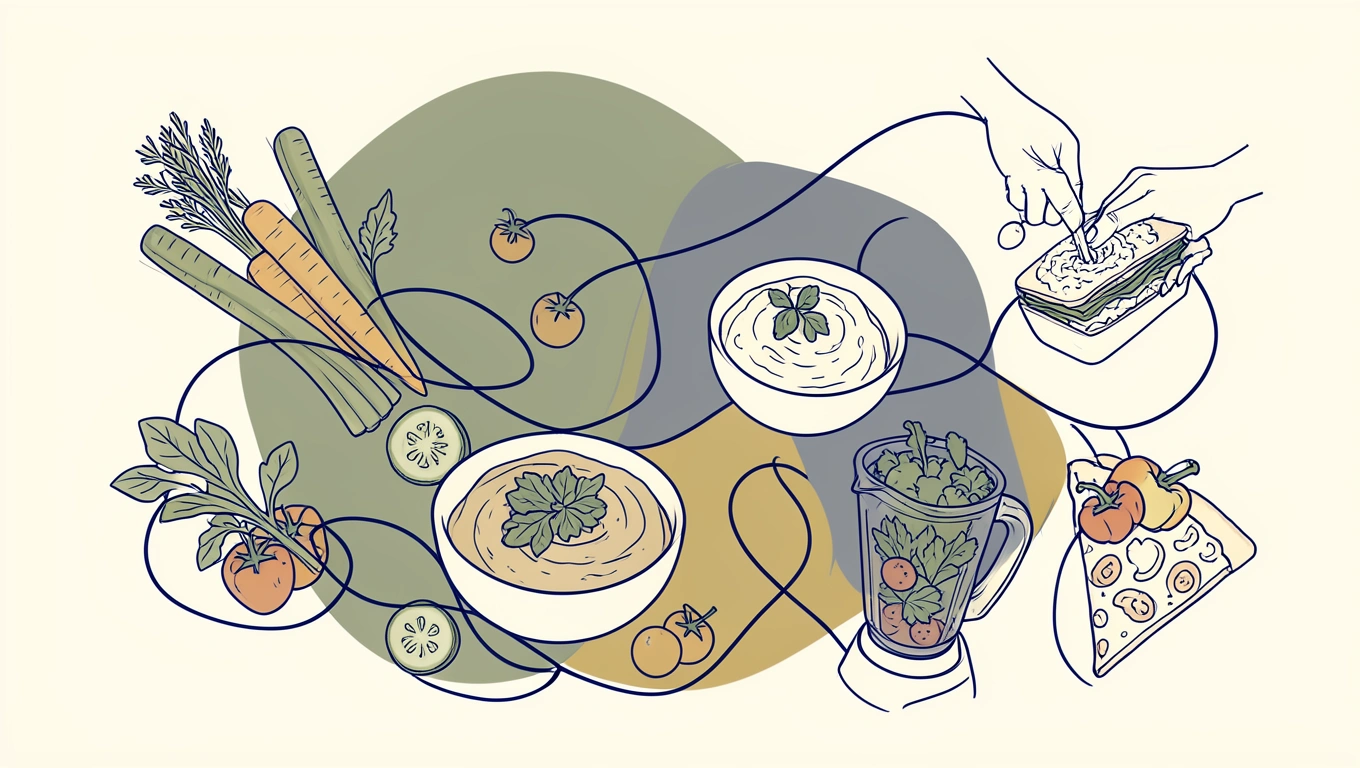
Getting more vegetables into your diet doesn’t mean spending hours in the kitchen or mastering complicated recipes. You can significantly boost your vegetable intake with simple, no-cook strategies that fit seamlessly into your everyday routine. Whether you’re short on time, new to cooking, or just looking for easier ways to eat healthier, these practical approaches make adding vegetables effortless. The best part is that many vegetables taste great raw and retain all their nutrients without any cooking at all. Let’s explore some straightforward methods to make vegetables a bigger part of your meals without any fancy preparation.
Start with Ready-to-Eat Raw Vegetables
Raw vegetables are your quickest path to eating more produce. Baby carrots, cherry tomatoes, snap peas, and cucumber slices require zero preparation and can be eaten straight from the package. Keep a container of washed, cut vegetables in your refrigerator at eye level so you see them first when you open the door. This simple visibility trick makes you far more likely to reach for vegetables as a snack instead of processed foods.
Pair your raw vegetables with dips to make them more appealing. Hummus, guacamole, or plain Greek yogurt mixed with herbs create satisfying combinations that feel more like a treat than a health obligation. Bell pepper slices work wonderfully as scoops for these dips, giving you a crunchy alternative to chips. Raw broccoli and cauliflower florets also offer great texture and pair well with creamy dips.
The beauty of this approach is that you can grab these vegetables between meals, pack them for work, or set them out while preparing dinner. Making vegetables easily accessible removes the barrier of preparation time and makes healthy eating feel automatic rather than effortful.
Add Vegetables to Foods You Already Eat
You don’t need to create new meals to eat more vegetables. Instead, simply add them to dishes you already prepare regularly. Toss a handful of pre-washed baby spinach or mixed greens into your morning scrambled eggs, your lunchtime pasta, or your evening quesadilla. The greens wilt slightly from the residual heat but require no actual cooking from you.
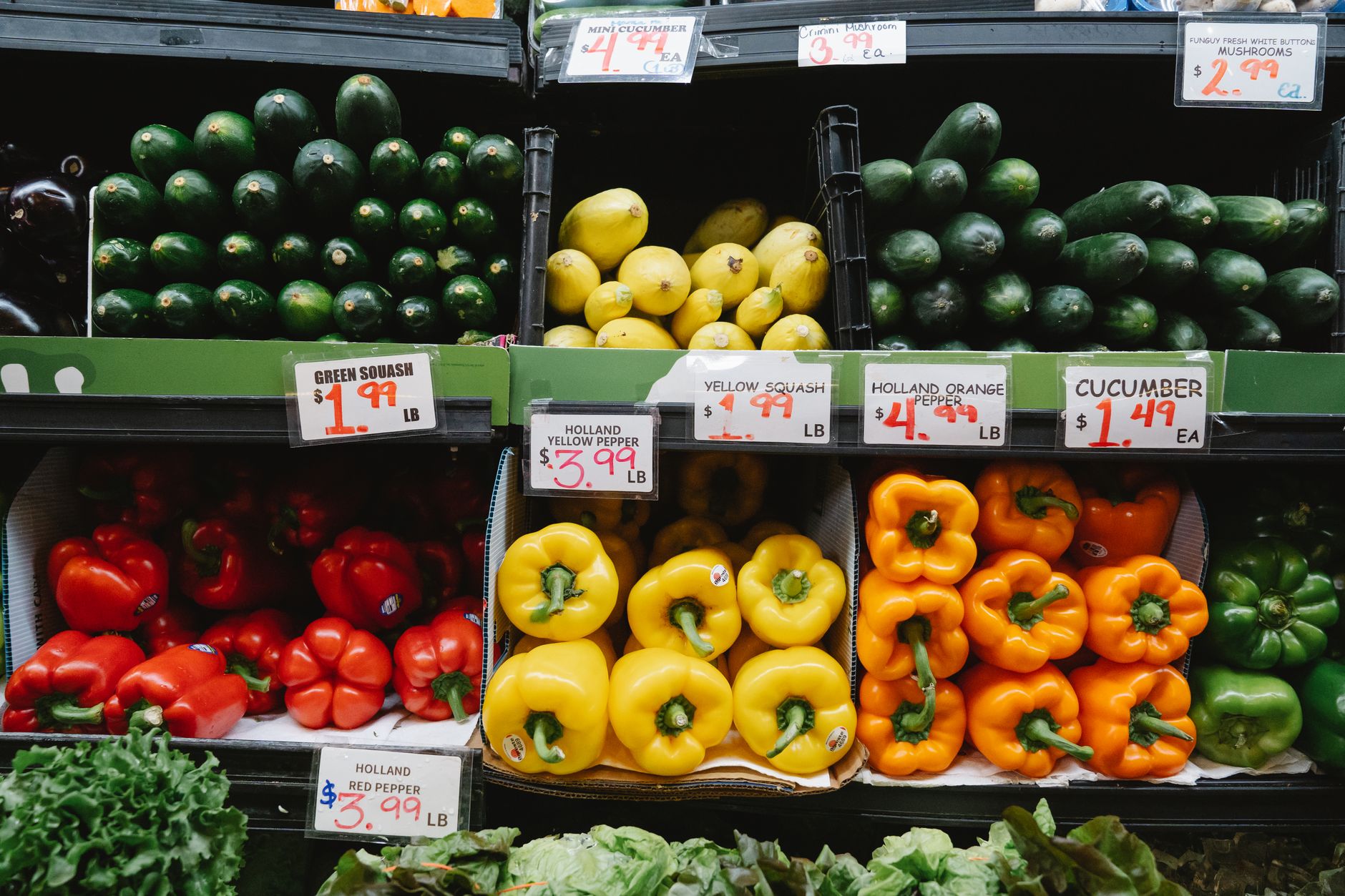
Sandwiches and wraps offer endless opportunities for vegetable additions. Layer fresh spinach, arugula, sliced tomatoes, cucumber ribbons, or shredded carrots into any sandwich. These additions provide crunch, freshness, and nutrients without changing the basic meal you were already planning to eat. If you make tuna salad or chicken salad, incorporate finely chopped bell peppers, celery, and onions for extra flavor and texture.
Even breakfast foods can accommodate more vegetables. Add shredded carrots or zucchini to muffin batter or pancake mix for a subtle vegetable boost that doesn’t change the taste significantly. Top your toast with mashed avocado instead of butter or mayonnaise for a creamy, vegetable-rich spread that feels indulgent. These small additions throughout the day add up to substantial increases in your overall vegetable consumption.
Next Level: Make a quick veggie noodle salad by spiralizing raw zucchini or cucumbers and tossing them with a light vinaigrette. This refreshing dish requires no cooking and can be prepared in minutes, giving you a full serving of vegetables that feels more like a creative meal than a side dish.
Use Vegetables as Convenient Toppings
Treating vegetables as toppings rather than main components makes them easier to incorporate without much thought. When you order or make pizza, add fresh spinach, arugula, sliced tomatoes, or bell peppers on top. Many of these can go on after cooking or require minimal heating, preserving their fresh taste and crisp texture.
Salads become vehicles for eating substantial amounts of raw vegetables with minimal effort. Build your salads with a variety of textures and colors by combining leafy greens with shredded cabbage, sliced radishes, grated carrots, diced cucumbers, and halved cherry tomatoes. The more variety you include, the more interesting the salad becomes, making it something you actually look forward to eating rather than a chore.
For meals like tacos, burgers, or grain bowls, pile on the vegetable toppings. Lettuce, tomatoes, onions, pickled jalapeños, and shredded cabbage all add substance and nutrition without requiring any cooking skills. These simple additions transform ordinary meals into more balanced, vegetable-rich options that satisfy both your hunger and your nutritional needs.
Blend Vegetables into Smoothies and Drinks
Smoothies offer one of the easiest ways to consume vegetables without tasting them prominently. Blending a handful of spinach or kale into your morning smoothie adds nutrients without significantly altering the flavor, especially when combined with fruit, yogurt, or nut butter. The key is starting with mild greens and keeping the ratio of fruit higher than vegetables until you adjust to the taste.
Leafy greens work particularly well in smoothies because they blend easily and their flavor gets masked by other ingredients. You can gradually increase the amount of greens as you become accustomed to the taste. Frozen vegetables like cauliflower or zucchini also blend smoothly and add creaminess to smoothies without contributing a strong vegetable flavor.
Beyond smoothies, you can make simple vegetable-based drinks like cucumber water or tomato juice. These require nothing more than a blender and provide hydration along with your vegetable intake. The convenience of drinking your vegetables makes this approach perfect for busy mornings or as a refreshing afternoon option when you need something quick and nutritious.
Q&A
Do raw vegetables provide the same nutrients as cooked vegetables?
Raw vegetables retain certain nutrients better than cooked ones, particularly water-soluble vitamins like vitamin C and some B vitamins that can be diminished by heat. However, some nutrients become more bioavailable through cooking. For practical purposes, eating vegetables in any form is beneficial, so focusing on whichever preparation method you’ll actually use consistently matters more than worrying about optimal nutrient retention.
How can I make raw vegetables taste better if I find them bland?
Pairing raw vegetables with flavorful dips, dressings, or spreads dramatically improves their appeal. Hummus, ranch dressing, peanut sauce, or seasoned yogurt can transform plain vegetables into something you genuinely enjoy eating. You can also sprinkle raw vegetables with salt, pepper, lemon juice, or everything bagel seasoning for extra flavor without adding significant calories or requiring cooking.
What are the easiest vegetables to eat raw without any preparation?
Cherry tomatoes, snap peas, baby carrots, and mini bell peppers top the list for convenience because they require no washing, cutting, or preparation beyond opening the package. Pre-washed salad greens and spinach also fall into this category. Keep these items stocked in your refrigerator for the absolute easiest vegetable options that you can eat immediately whenever hunger strikes.
Can I get enough vegetable variety by only eating them raw?
Yes, you can achieve good vegetable variety eating only raw produce. Raw options include all leafy greens, cruciferous vegetables like broccoli and cauliflower, root vegetables like carrots and radishes, nightshades like tomatoes and bell peppers, and various squashes like zucchini and cucumber. Varying your vegetable choices across different colors and types ensures you get a wide range of nutrients even without cooking anything.
For Conclusion
Eating more vegetables doesn’t require culinary skills or elaborate meal planning. The simplest approaches often work best because they fit naturally into your existing routine without demanding extra time or effort. By keeping raw vegetables accessible, adding them to foods you already eat, using them as toppings, and blending them into drinks, you can dramatically increase your vegetable intake without ever turning on the stove. The key is removing barriers and making vegetables the easy choice rather than the complicated one.
What matters most is consistency rather than perfection. You don’t need to overhaul your entire diet overnight or commit to cooking elaborate vegetable dishes. Small, sustainable changes like keeping cut vegetables in your refrigerator, adding greens to your sandwich, or blending spinach into your smoothie create lasting habits that improve your nutrition over time. Focus on finding a few strategies that work for your lifestyle and taste preferences, then build from there as eating vegetables becomes second nature.