
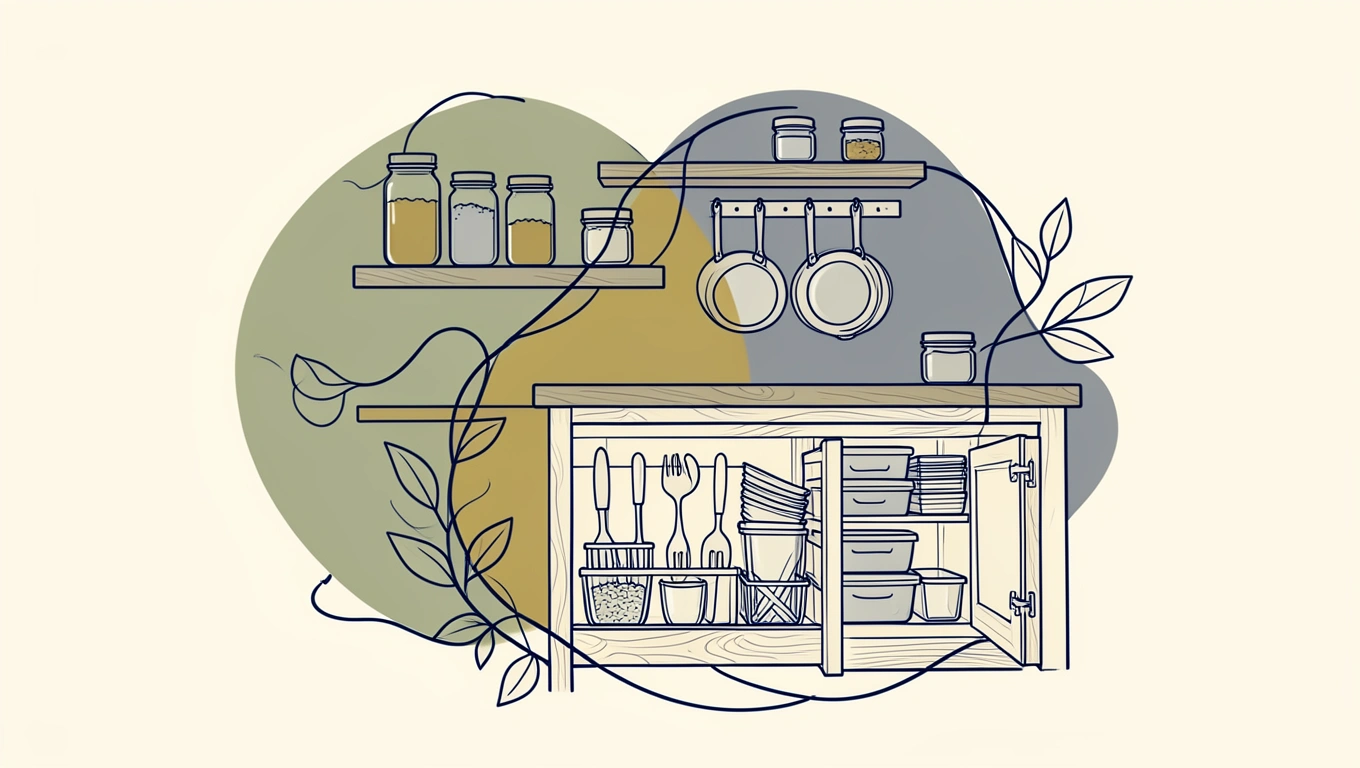
Living with a small kitchen doesn’t mean sacrificing functionality or style. When every inch counts, the secret to a peaceful cooking space isn’t getting rid of everything you own – it’s making sure every item has a designated home. A well-organized small kitchen can actually be more efficient than a sprawling one because everything you need stays within arm’s reach. The key is being intentional about your storage solutions and ruthless about keeping only what you truly use. Let’s walk through practical strategies that will transform your compact kitchen into a model of efficiency.
Maximize Your Vertical Space
When floor and counter space are limited, the answer is to look up. Your walls hold tremendous untapped potential for storage that keeps items accessible without cluttering your work surfaces. Wall-mounted shelves offer the perfect spot for frequently used items like spices, cooking oils, and attractive jars of dry goods. Unlike cabinets, open shelving lets you see everything at a glance, which means you’ll actually use what you have instead of forgetting about it in the back of a cabinet.
Pegboards deserve special attention here. These simple, perforated panels can be mounted on any wall and configured exactly how you need them. Hang your pots, pans, and utensils using hooks that you can rearrange anytime your needs change. The beauty of a pegboard system is its flexibility – as your cooking tools evolve, your storage adapts right along with it. You can also add small baskets or shelves to the pegboard for even more versatility.
Don’t overlook the inside of cabinet doors, either. Adhesive hooks or small wire racks can hold measuring cups, pot lids, or cleaning supplies. The back of your pantry door can become prime real estate for spice racks or small shelving units. These vertical solutions help you reclaim counter space while keeping your most-used tools visible and within easy reach.
Create Order Inside Your Drawers
Drawers in a small kitchen often become chaotic catch-alls where utensils tangle together and small tools disappear into the depths. The solution lies in creating distinct zones within each drawer using dividers and organizers. Adjustable drawer dividers let you customize compartments based on what you’re storing, whether that’s silverware, cooking utensils, or kitchen gadgets. These inserts turn a messy drawer into a system where you can find exactly what you need in seconds.
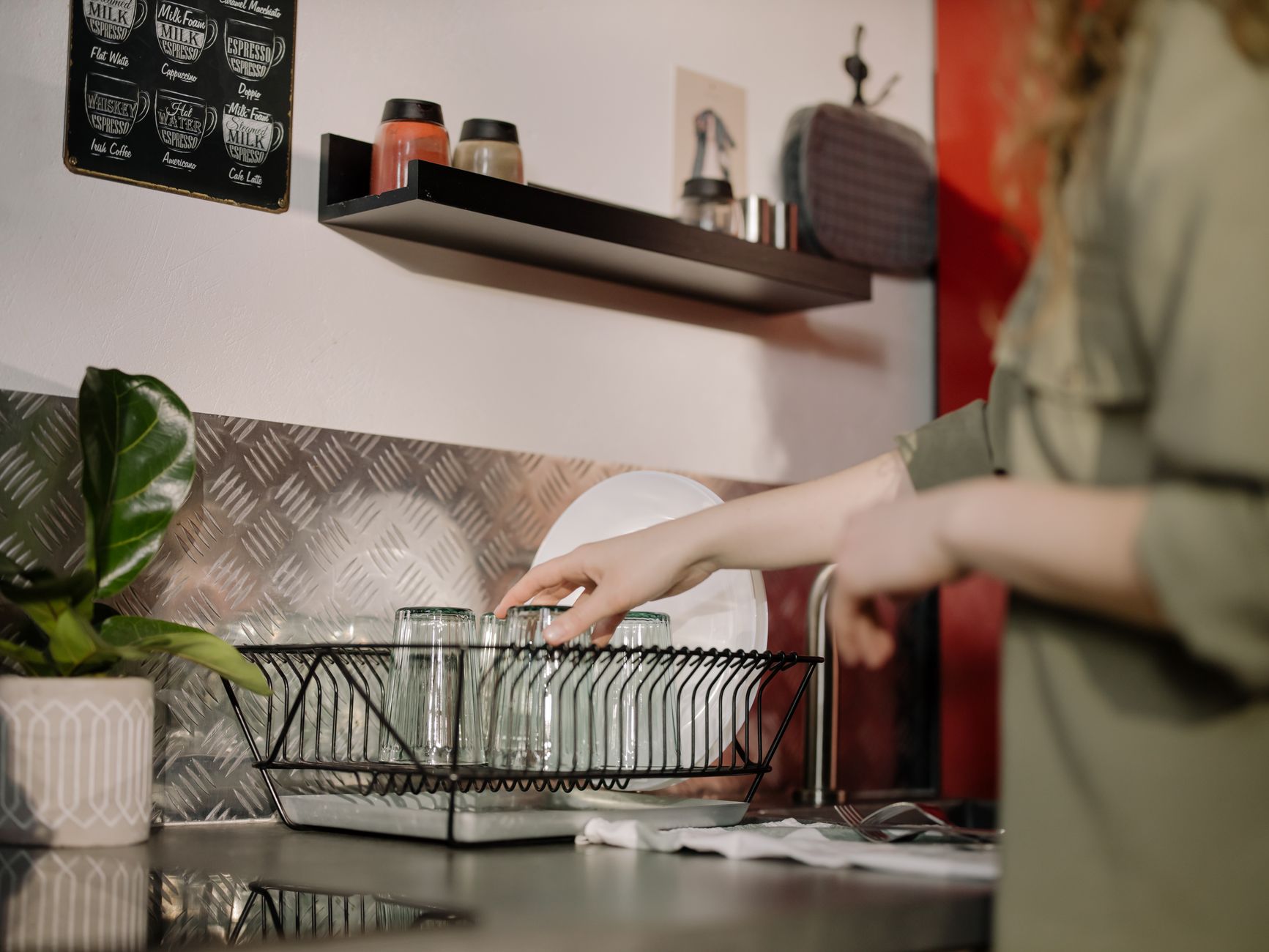
Think vertically inside your drawers, too. Stackable organizers and tiered inserts let you make use of the full height of the drawer rather than just laying everything flat. This approach works especially well for items like measuring spoons, cookie cutters, and other small tools that tend to get jumbled together. You can fit significantly more into the same drawer space when you organize upward instead of outward.
For your knives, consider mounting a magnetic strip on the wall instead of keeping them in a drawer or bulky countertop block. Magnetic knife holders free up valuable drawer and counter space while keeping blades safe and sharp. They prevent the blade contact that happens in drawers, they’re easier to clean than traditional knife blocks, and you can mount them wherever makes sense for your workflow. The visual element also helps – you can immediately see which knife you’re grabbing.
Next Level: Adopt a “one-in, one-out” policy for your kitchen items. Before buying any new utensil, gadget, or dish, commit to donating or discarding something you already own. This simple rule prevents accumulation and forces you to be honest about what you truly need versus what just seemed fun at the store. Your small kitchen will stay organized not just through better storage, but through mindful ownership.
Declutter Regularly and Ruthlessly
No storage system in the world can compensate for owning too much stuff. Small kitchens require regular decluttering sessions where you honestly evaluate what deserves to take up your precious space. Start by pulling everything out of one area – a drawer, a cabinet, or a shelf – and sorting items into three categories: use regularly, use occasionally, and never use. Be brutally honest during this process. That garlic press you haven’t touched in two years isn’t suddenly going to become useful just because you organize it better.
The items you use regularly should occupy the most accessible spots in your kitchen. Things you reach for daily – your coffee maker, favorite spatula, everyday dishes – deserve prime real estate at eye level or in the easiest-to-reach drawers. Occasionally used items, like that bundt pan you bring out once a year, can go in higher cabinets or less convenient spots. And anything in the “never use” category should leave your home entirely, either donated to someone who will use it or discarded if it’s past its useful life.
Schedule these decluttering sessions regularly, perhaps quarterly or twice a year. Your cooking habits and needs change over time, and your kitchen organization should evolve accordingly. You might discover that you’ve stopped baking bread and no longer need all those specialty pans, or that you’ve developed a smoothie habit that requires different storage priorities. Regular reassessment keeps your small kitchen aligned with how you actually cook and eat.
Smart Storage Solutions That Work
Beyond the basics, certain storage solutions punch above their weight in small kitchens. Lazy Susans in corner cabinets prevent items from getting lost in those awkward deep spaces. A two-tier turntable transforms a dark corner into accessible storage where you can see and reach everything with a simple spin. They work brilliantly for oils, vinegars, sauces, and other bottles that would otherwise form an impenetrable wall.
Under-shelf baskets that hang from existing shelves create an extra tier of storage without requiring any installation. These simple wire baskets effectively double your shelf space by utilizing the empty air between shelves. They’re perfect for storing smaller items like snack bags, tea boxes, or even mugs. Similarly, stackable shelf risers let you create stadium-style levels in your cabinets so you can see every item instead of stacking plates and bowls in tall, precarious towers.
For pantry items, clear, stackable containers aren’t just aesthetically pleasing – they’re genuinely functional. Transferring dry goods from their original packaging into uniform containers lets you see exactly what you have and how much remains. You can stack them efficiently, they keep food fresh longer, and you’ll never again discover an expired box of pasta hiding behind three other boxes. Label everything clearly so other household members can maintain the system you’ve created.
Q&A
What should I do with appliances I rarely use in a small kitchen?
Store rarely used appliances outside the kitchen if possible. A closet, basement shelf, or garage can house that bread maker or fondue set you use once or twice a year. Keep only your daily-use appliances on the counter or in easily accessible cabinets. Some people rotate seasonal appliances, bringing out the slow cooker in winter and storing it during summer when they grill more. If an appliance hasn’t been used in over a year, seriously consider whether you need to keep it at all.
How can I organize pots and pans when cabinet space is limited?
Nest pots and pans inside each other with pan protectors between them to prevent scratching, and store lids separately using a lid organizer mounted inside a cabinet door or on the wall. A pegboard or wall-mounted pot rack can display your most-used cookware while freeing up cabinet space entirely. If you have a deep drawer, consider a vertical pan organizer that stores pans on their sides like files in a filing cabinet, making each piece easy to grab without unstacking everything.
What’s the best way to organize spices in a small kitchen?
Choose one method that fits your space: a wall-mounted magnetic spice rack, a narrow pull-out drawer organizer, a tiered shelf riser inside a cabinet, or small floating shelves near your cooking area. The key is visibility – if you can’t see a spice, you won’t use it. Alphabetizing helps you find what you need quickly. Regularly purge expired spices, as ground spices lose potency after about a year and whole spices after two to three years. Keeping only fresh, used spices prevents your collection from sprawling out of control.
How do I maintain kitchen organization once I’ve set up a system?
The secret is making organization part of your routine rather than a special project. Put items back in their designated spots immediately after use rather than setting them aside to deal with later. Do a quick five-minute reset at the end of each day, returning any items that have wandered to their proper homes. Schedule a monthly mini-declutter where you check for expired food, assess whether your current system is still working, and make small adjustments. When organization becomes a habit rather than an event, it requires much less effort to maintain.
Final Thoughts
Organizing a small kitchen is less about finding miracle products and more about being intentional with the space you have. When you maximize vertical storage, create order within drawers and cabinets, and regularly evaluate what deserves to stay, even the tiniest kitchen can function beautifully. The goal isn’t perfection or making your kitchen look like a magazine spread – it’s creating a space where you can cook efficiently without frustration.
Remember that organization is personal. What works brilliantly in someone else’s kitchen might not suit your cooking style or the specific layout challenges you face. Give yourself permission to experiment with different approaches until you find the right combination for your needs. The best organizational system is the one you’ll actually maintain, not necessarily the prettiest or most elaborate one. Start with one area – maybe a single drawer or cabinet – and build from there. Small, sustainable changes create lasting results, and before long, your compact kitchen will feel spacious, functional, and entirely under control.