

If you’ve ever felt guilty about forgetting to water your plants or worried that your chaotic schedule means you can’t keep anything green alive, you’re not alone. Life gets busy, and sometimes the plants on your windowsill are the last thing on your mind. The good news is that plenty of houseplants are practically designed for people who can’t stick to a watering schedule. These resilient varieties don’t just tolerate neglect – they actually thrive on it. Whether you travel often, work long hours, or simply forget about your green friends for weeks at a time, these forgiving plants will survive and even flourish in your home.
Snake Plant: The Indestructible Classic
The snake plant, also known as Sansevieria or mother-in-law’s tongue, has earned its reputation as one of the most forgiving houseplants you can own. This architectural beauty with its upright, sword-like leaves can go weeks without water and still look perfectly healthy. The secret lies in its succulent-like leaves that store water, allowing it to survive extended dry periods that would kill most other plants.
What makes the snake plant especially valuable for busy owners is its flexibility with light conditions. It thrives in various settings, from low light corners to spots with bright indirect light. You can tuck one in a dimly lit hallway or place it near a sunny window, and it will adapt. This means you don’t need to stress about finding the perfect location or moving it around as the seasons change.
The plant’s watering needs are minimal – during winter months, you might water it once a month or even less. During warmer seasons, every two to three weeks is usually enough. The biggest risk isn’t underwatering but overwatering, which can lead to root rot. A good rule is to let the soil dry out completely between waterings. If you’re unsure, it’s always better to wait a few more days than to water too soon.
ZZ Plant: The Drought Survivor
The ZZ plant, short for Zamioculcas zamiifolia and also called the Zanzibar gem, might be the ultimate choice for forgetful plant owners. This glossy-leaved beauty has thick underground rhizomes that store water, making it highly tolerant of drought and irregular watering. You could forget about it for a month, and it would still greet you with its shiny, healthy foliage.
Like the snake plant, the ZZ plant isn’t fussy about light. It grows well in low to medium light conditions, making it perfect for offices, apartments with small windows, or rooms that don’t get much natural light. The plant’s slow growth rate is actually an advantage – it doesn’t demand frequent repotting or constant attention to stay looking good.
The ZZ plant’s care requirements are straightforward. Water it every three to four weeks during the growing season, and even less frequently during winter. The plant will tell you when it needs water – if the leaves start to wrinkle slightly, it’s time for a drink. Beyond that, it asks for almost nothing. No special humidity requirements, no frequent feeding, no complicated pruning schedules.
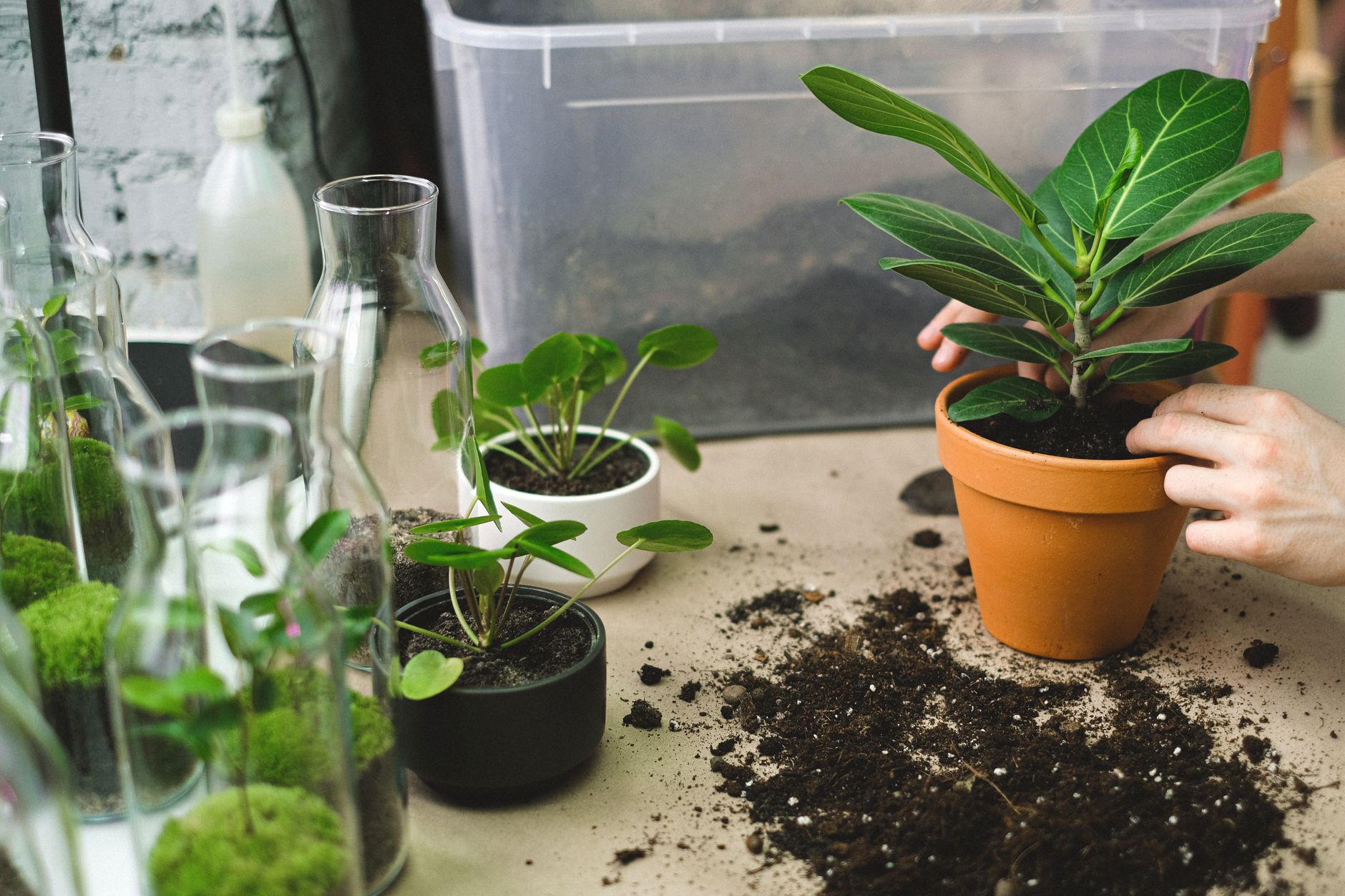
Next Level: Keep your low-maintenance plants in terracotta pots rather than plastic. Terracotta is porous and allows soil to dry out more evenly between waterings, which reduces the risk of root rot if you accidentally overwater. This extra margin for error can be the difference between a thriving plant and a struggling one for busy owners.
Pothos: The Forgiving Climber
Pothos, sometimes called devil’s ivy due to its nearly indestructible nature, is another champion for people with unpredictable schedules. This trailing vine with heart-shaped leaves grows enthusiastically with minimal care and bounces back quickly even after being neglected. Pothos plants were included in NASA studies for their ability to reduce indoor air pollutants such as formaldehyde, benzene, and xylene, making them both beautiful and functional.
One of the best things about pothos is how clearly it communicates its needs. When it needs water, the leaves will start to droop slightly. Give it a drink, and within hours, the foliage perks right back up. This visible signal means you don’t have to guess or follow a strict schedule – the plant tells you when it’s thirsty. Generally, watering every one to two weeks works well, but you can adjust based on what you observe.
Pothos tolerates a range of light conditions, though it grows faster and develops more variegation in brighter spots. It’s also easy to propagate. If you accidentally break off a stem or want to create more plants, simply place the cutting in water and it will grow roots within a few weeks. This forgiving nature extends to occasional over-pruning or damage – the plant just keeps growing.
Spider Plant and Succulents: More Forgiving Options
Spider plants are another excellent choice for busy households, especially if you have pets. These plants are non-toxic to cats and dogs, removing one worry from your list. Spider plants were part of NASA’s Clean Air Study, recognized for their effectiveness in removing indoor toxins. They produce cascading baby plants that you can leave attached for a fuller look or remove to share with friends.
Spider plants prefer their soil to dry out between waterings, making them tolerant of forgetful owners. They grow well in indirect light and aren’t bothered by occasional temperature fluctuations. The tips of the leaves might turn brown if the water is heavily chlorinated or if humidity is very low, but this is cosmetic and doesn’t harm the plant’s overall health.
Succulents as a category deserve mention for their incredible drought tolerance. Many varieties store water in their thick, fleshy leaves and typically only need watering about once a month. Jade plants, echeveria, and aloe vera are all solid choices. The key is providing well-draining soil and pots with drainage holes. Succulents would rather be too dry than too wet, so if you’re the type to forget about watering, you’re actually the ideal owner.
Q&A
How do I know if I’m overwatering my low-maintenance plants?
Yellow leaves, especially near the base of the plant, are often the first sign of overwatering. The soil will feel constantly wet or soggy, and you might notice a musty smell. Roots may appear brown and mushy rather than white and firm. If you suspect overwatering, let the soil dry out completely before watering again, and consider repotting in fresh, dry soil if the problem is severe.
Can these plants survive if I go on vacation for two weeks?
Yes, all the plants mentioned in this article can easily handle two weeks without water, and many can go even longer. Water them thoroughly before you leave, and make sure they’re not sitting in direct, hot sunlight that would dry them out faster. When you return, check the soil and water if it’s completely dry. Your plants will likely look exactly as you left them.
Do low-maintenance plants need fertilizer?
These plants grow well without regular feeding, but occasional fertilization during the growing season (spring and summer) can help them look their best. Once every month or two with a diluted, balanced houseplant fertilizer is plenty. Many low-maintenance plants actually prefer less frequent feeding – they’re adapted to survive in nutrient-poor conditions, so heavy fertilization isn’t necessary.
What’s the biggest mistake people make with easy-care plants?
Overwatering is by far the most common problem. People assume that because they’ve neglected their plants, they need to compensate with extra water. These resilient species are built to handle drought, not soggy conditions. Stick to the less-is-more approach, and let the soil dry out between waterings. Your plants will be much happier with benign neglect than with smothering attention.
For Conclusion
Keeping plants alive doesn’t require a green thumb or a rigid schedule. The right varieties actually prefer the hands-off approach that fits naturally into a busy life. Snake plants, ZZ plants, pothos, spider plants, and many succulents have evolved to survive in challenging conditions, which means they’re perfectly suited to survive your hectic schedule and occasional forgetfulness. The key is choosing plants that match your lifestyle rather than trying to change your habits to suit demanding plants. Start with one or two of these forgiving varieties, and you’ll likely find that plant ownership is far easier than you imagined. These resilient houseplants won’t just survive your busy life – they’ll thrive in it, adding greenery and life to your home without adding stress to your schedule.